

Dental Implants – Ripon, WI
The Best Way We Replace Your Missing Teeth
If you’re looking for a way to replace one or more missing teeth, let us talk to you about dental implants. We can use this versatile service to restore a single tooth, a couple of teeth, or a full arch. The results will look and feel more natural than those you can expect from a traditional bridge or denture. That’s because implants have a structure that mimics the crown-and-root structure of a natural tooth. The implant portion provides added stability and support while preserving and even strengthening a patient’s jawbone. Contact us today for a consultation to see if you are a candidate for dental implants in Ripon.
Benefits of Dental Implants
 Did you know that hundreds of thousands of dental implants are placed in patients throughout the U.S. each year? Yes, this treatment is astoundingly popular! Why do so many dentists and patients gravitate toward it? Simply because dental implants offer more — and more powerful — benefits than traditional forms of tooth replacement. When you come in for your consultation, our Ripon team can explain how they might help you personally. In the meantime, here is an overview of the many advantages they offer:
Day-to-Day Benefits

Dental implants have the potential to improve your daily quality of life in the following ways:
- Improved chewing ability. Dental implants are very strong, so they can equip you to eat a wide variety of foods, including items that would be difficult to consume with traditional dentures.
- Clear, confident speech. Speech is the product of complex interactions between several structures in the body, including the teeth! Implants may allow you to enunciate your words with greater clarity and confidence.
- We carefully design dental implant restorations so they look as natural as possible. They should complement your unique facial features and blend in beautifully with any natural teeth that you still have.
- Easy maintenance. In many ways, taking good care of dental implants is similar to caring for natural teeth.
Health Benefits

Your oral and overall health could benefit from dental implants in a few ways:
- Jawbone preservation. After tooth loss, it is normal for the jawbone to become smaller and weaker. Dental implants act as prosthetic tooth roots, so they can provide the stimulation your bone needs to stay healthy and strong.
- Improved nutrition. The improved chewing ability granted by dental implants can allow you to eat many nutritious foods. In turn, good nutrition may lower your risk of several systemic diseases.
- Greater comfort. Dental implants are very secure in the mouth, so they are not likely to cause gum disease or other oral health problems.
- A more positive outlook on life. Some people who experience tooth loss find that their condition causes feelings of sadness and loneliness. Dental implants may invigorate you to truly enjoy your life.
Long-Term Benefits

Dental implants start to deliver benefits soon after the treatment is completed, and they can continue to benefit you well into the future.
- With proper care, dental implants have the potential to last for decades. In fact, they might even last for an entire lifetime!
- Value for the money. Traditional dentures usually need to be replaced every 5 – 7 years. Dental implants last much longer and deliver greater benefits. That makes them an excellent long-term monetary value. In fact, their price per day over the course of a few decades is very reasonable!
- Extensive tooth loss is associated with a shortened life expectancy. Because dental implants can reverse many of the consequences of tooth loss, they may help you thrive well into your golden years.
Who Dental Implants Can Help
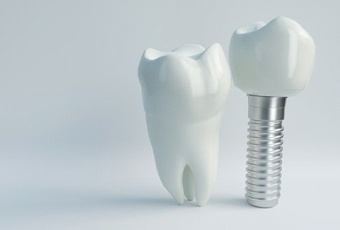 Whatever the number of teeth you’ve lost, you almost certainly qualify for dental implants. Good candidates for treatment only need fairly decent oral health, and little else matters. Just note that how many teeth need replacing will affect your final procedure; we’ll recommend various options based on the final number. If you’d like to learn more about these matters, please keep reading or call us in the coming days or weeks.
Who is a Good Candidate for Dental Implants?
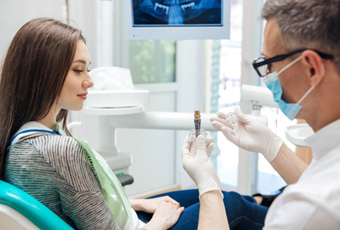
While dental implants are inherently effective, they help some patients more than others. The best candidates for them usually have three key traits:
- Fair Overall Health – To undergo dental implant surgery safely, your body has to be in good condition.
- Excellent Oral Health – Oral issues like cavities and gum disease can cause implant failure. Therefore, you should quickly address them before pursuing implant treatment.
- A Highly Dense Jaw – Dental implants only fuse correctly when your jaw is quite dense. If it isn’t, the implant posts will quickly become unstable and eventually fall out.
Of course, you needn’t worry if you lack the above traits. You can undergo preliminary procedures – tooth extractions, gum disease therapy, etc. – to qualify for implant posts. Depending on the situation, our team can even help you schedule such services. We’ll then perform them before readying you for your final implant treatment.
Missing One Tooth
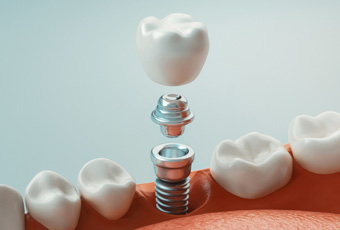
When you’ve only lost one tooth, it’s best to get a single implant post and crown. This pair of restorations would fully restore your smile without disrupting your mouth’s health. Better yet, their placement would be less invasive than that for a dental bridge; they wouldn’t alter adjacent teeth. You could then enjoy treatment results that are sturdy and long-lasting, especially compared to other tooth replacements.
Missing Multiple Teeth
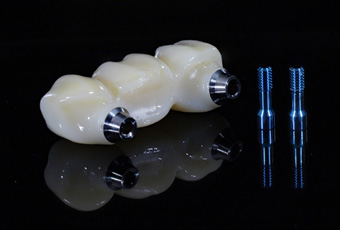
You should consider a dental implant bridge when lacking multiple adjacent teeth. Unlike a standard one, this kind secures itself with implant posts instead of “abutments.” Dentists can thus place an implant bridge without removing any enamel from your existing teeth. Furthermore, the final restoration would last longer than a regular dental bridge.
If the missing teeth aren’t adjacent, a partial implant denture could work. It’d anchor itself with a few well-placed implant posts and wouldn’t slip or fall.
Missing All Teeth
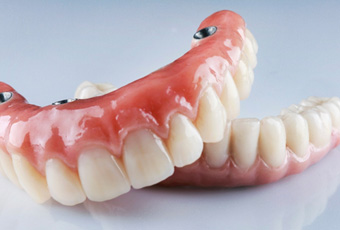
A patient missing all (or nearly all) their teeth most benefits from implant dentures. After all, this prosthetic relies on four to six strategically placed posts to restore a whole arch. An implant denture is thus highly secure and won’t slip or fall as a normal denture might. On the contrary, this device would remain stable and steady for many years; you’d just need to give it proper care.
Start-to-Finish Dental Implant Treatment
 Because the first phase of treatment involves surgery, some dentists have to refer their patients to a specialist. But at Silver Creek Dentistry, we’re proud to offer start-to-finish dental implant treatment. Instead of visiting an unfamiliar office to have your implant(s) placed, you can receive the help you need from the friendly team you already know and trust.
Understanding the Cost of Dental Implants

Since the process of getting dental implants in Ripon is fully personalized for each patient, the overall cost of the treatment is not set in stone. Fortunately, you can count on our team to always be as transparent as possible when it comes to the cost of your care. Not only will we give you a trustworthy estimate of what the cost of dental implants will look like in your case, but we’ll also explain the available options for fitting the treatment into your budget.
Preliminary Treatments & Dental Implant Surgery
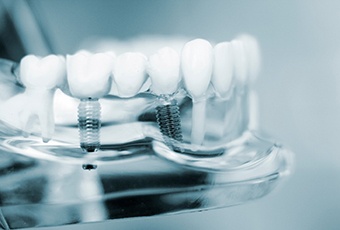
Certain preliminary treatments (such as bone grafting or gum disease treatment) may be required to maximize your chances of a successful dental implant procedure. These services have their own separate costs, which we’ll make sure you’re aware of before moving forward.
When it comes to the actual dental implant surgery, the amount you pay often depends on where the implant posts need to go. On top of that, if you choose to have some form of sedation dentistry administered during the procedure, it will add to the overall cost.
The Parts of Your Dental Implant
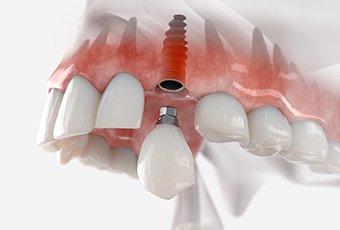
The cost of dental implant posts can vary depending on the number needed to replace all of your missing teeth as well as the brand and materials used. Furthermore, the prosthesis that the implant posts will support (which can be a crown, a bridge, or a denture) will have a price tag of its own. Feel free to speak to your implant dentist in Ripon to learn more about the parts of your dental implant and the influence they can have on the overall cost.
How Dental Implants Pay for Themselves

You may be hesitant to pursue dental implants since they have a higher initial cost than other forms of tooth replacement. However, it’s worth noting that they can end up paying for themselves in the long run. Implant posts typically last much longer than traditional bridges and dentures, and they are less likely to need to be replaced. On top of that, it’s very easy to take good care of dental implants, which can ultimately lower your risk for oral health issues that could potentially call for expensive treatment.
Does My Dental Insurance Cover Dental Implants?

Many dental insurance companies see dental implants as an elective procedure and thus will not cover them. However, they may still pay for related services, such as the prosthesis that will be attached to the implant posts. Not all dental insurance plans handle dental implants exactly the same way, so be sure to double-check your benefits. Our team will be more than happy to review your plan with you if you have any questions.
Making Dental Implants Affordable

As part of our efforts to make our services as affordable as possible, we’re happy to work with CareCredit in order to offer low-to-no-interest financing to our patients. CareCredit allows you to break up the cost of various procedures – including dental implant placement – into monthly installments that work for your budget. Feel free to talk to our team if you’re interested in learning more about how financing works at our office.
Dental Implant FAQs
From the benefits to the cost, you may want to know a bit more about dental implants in Ripon! You may have a few questions on your mind, and we want to make finding the answers as seamless as possible. Since many of our patients prefer to do their research online, we’ve responded to some of the most frequently asked questions here. If you would prefer to speak directly with our team or are having trouble finding the answer you are looking for, don’t hesitate to get in touch!
How Long Do Dental Implants Last?
One of the major advantages of opting for dental implants over other tooth-replacement options is that they can last 30+ years – if you care for them properly. Fortunately, that task isn’t too cumbersome since the integrity of their structure can be maintained with the same healthy habits you use to care for your natural teeth. Therefore, make sure to brush your teeth twice a day, floss daily, and schedule a dental checkup and cleaning at least every six months. You should also avoid smoking, using your teeth as tools, chewing on ice, and other teeth-damaging behaviors that can compromise the look and function of your smile.
Does Getting Dental Implants Hurt?
One of the biggest reservations patients have about dental implants, or any dental work for that matter, is that the procedure will be painful. If this is what is preventing you from committing, you’ll be happy to know that the procedure doesn’t begin until your mouth has been thoroughly numbed with a local anesthetic. Sedation dentistry is also available to help patients with dental-related anxiety and assist with providing an easy and relaxing appointment. To ensure you remain comfortable even after you leave our treatment chair, we will provide you with an extensive list of aftercare instructions, like using a cold compress and taking OTC medication as directed.
Is There Anything I Shouldn’t Eat with Dental Implants?
Thanks to their high-quality materials and durable structure, dental implants don’t come with a long list of dietary restrictions like other tooth-replacement options do. However, you should stick to soft foods, avoid alcohol, and stay away from acidic beverages in the first couple of weeks following your surgery. Once you recover fully and a crown is placed on your implant, you’ll be able to test out your new and improved bite on all your favorite foods. Just make sure to avoid items that can damage your dental implants and natural teeth alike, like ice and hard nuts.
What Should I Do If I Can’t Afford Dental Implants?
As mentioned above, the initial cost of dental implants is higher than other restorative services, which makes them an investment. To ensure cost isn’t what stands in your way of replacing one or more missing teeth with this state-of-the-art solution, our team offers a number of financial options. Simply put, from periodic special offers to flexible financing through CareCredit, our dentist in Ripon will go the extra mile to find an option that benefits your smile and your wallet.